Loading...
Serving Sunnyvale, CA and surrounding areas. (669) 215-2946
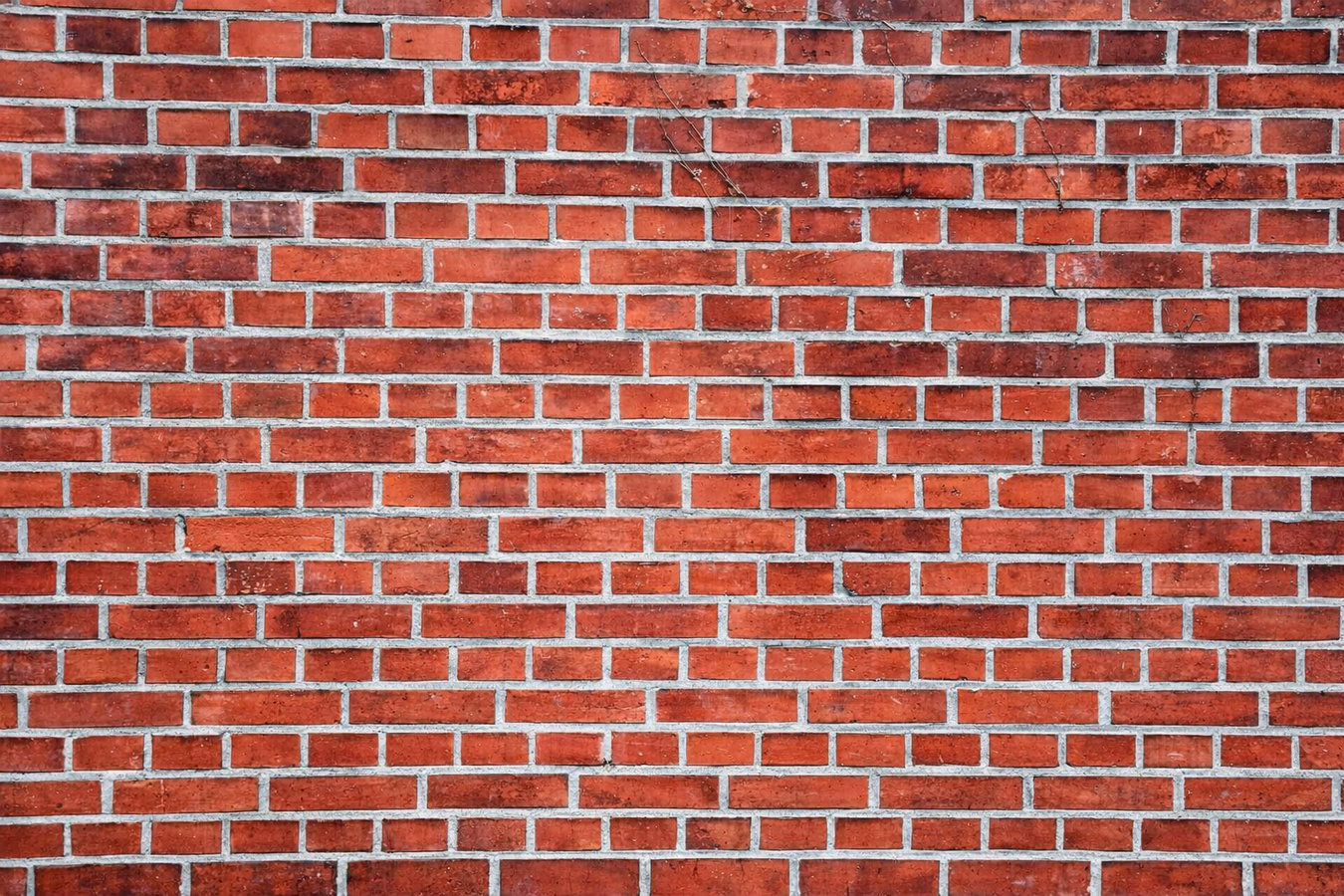
Crumbling mortar joints are not a cosmetic issue - they are open doors for water. Each rainy season, failing joints let moisture into your walls, chimney, and the structure behind your brick. We remove the old material and pack in fresh, matched mortar that seals everything back up.
Brick pointing in Sunnyvale means removing old, crumbling mortar from between your bricks and replacing it with fresh material - most jobs take one to four days depending on the size of the area.
The mortar between your bricks is doing a job most homeowners do not think about until something goes wrong. It holds the wall together and keeps water out - two critical functions in Sunnyvale, where winter rain comes steadily from November through March. When mortar wears out, water seeps in. And once water is behind the brick, the damage it causes can be far more expensive to fix than the repointing job would have been. Many Sunnyvale homes were built in the 1950s and 1960s, putting original mortar joints squarely in the range where they commonly need attention.
tuckpointing is sometimes needed alongside foundation repair when water intrusion from failing joints has worked its way down to the base of a structure. Catching the mortar problem early typically avoids the larger repair.
Run your finger along the lines between your bricks. If material feels soft, sandy, or comes away in small pieces, the mortar has failed. This is the clearest sign repointing is overdue - water is already finding its way in.
If you noticed cracks in a chimney, garden wall, or exterior brick after an earthquake - even a small one - take a closer look. Hairline cracks widen quickly once they start, and Sunnyvale's seismic activity means leaving them unaddressed increases risk of further movement.
That chalky white residue on older brick walls is efflorescence - salt being pushed out by moisture moving through the wall. In Sunnyvale's rainy winters, this is a common early warning that joints need attention before the next wet season.
Visible gaps where mortar has pulled away from the brick edge, or lines that look darker and deeper than before, are clear visual cues. Gaps allow water, insects, and debris to enter the wall cavity and tend to grow larger over time rather than stabilizing.
Our brick pointing work covers chimneys, garden walls, decorative exterior brick, and full-wall repointing on older Sunnyvale homes. For chimneys - which face rain, heat, and seismic movement all at once - we pay extra attention to the mortar type used. Choosing a mortar that is too hard relative to the existing brick causes the bricks themselves to spall over time, so matching the mix to your specific wall matters. For homes with original 1950s and 1960s brick features, we assess the weathered mortar color and work toward a blend that looks like it was always there rather than advertising the repair.
Brick pointing is closely related to masonry restoration, which addresses broader deterioration of brick and stone structures. If your wall has joints that need repointing and bricks that are cracked or spalling, both can often be handled in the same visit. The foundation repair team can also assess whether water from failing joints has worked its way further down into the structure.
Suits homeowners with older chimneys showing worn mortar joints, staining, or cracks that have developed over years of rain and seismic exposure.
Suits homeowners with low brick garden walls, planters, or borders where mortar has visibly crumbled or pulled away from the bricks.
Suits homeowners with decorative brick features on a home's facade that need mortar restoration without replacing the bricks themselves.
Suits homeowners with larger sections of brick where widespread mortar deterioration requires a systematic joint-by-joint restoration.
Two local factors make brick pointing more urgent in Sunnyvale than in many other cities. First, the rainy season. Sunnyvale gets most of its precipitation between November and March, and that steady moisture is the main thing that accelerates mortar wear. A chimney or garden wall that looked fine in October can show visible deterioration by April if the joints were already marginal going into the rains. Scheduling a repoint in the dry months - roughly May through October - gives the fresh mortar the best chance to cure fully before winter arrives. The Brick Industry Association provides guidance on mortar selection and joint profiles that local masons use as a baseline for quality repointing work.
Second, seismic activity. Sunnyvale sits near the Hayward and San Andreas faults, and even small tremors - the kind that barely register - can open hairline cracks in mortar joints over years of accumulation. Homeowners in neighborhoods like Murphy and Lakewood Village, where many homes date to the 1940s through 1970s, are especially likely to find that original chimney mortar is at or past its useful life. We serve Sunnyvale and nearby San Jose and Santa Clara, so we understand the housing stock and the conditions that affect brick in this part of the Bay Area.
You describe what you are seeing - crumbling mortar, cracks, staining, or a chimney that has not been looked at in years. We reply within one business day and can often give you a rough sense of scope from a photo before the on-site visit.
We walk the area with you, check joint depth and brick condition, and identify the right mortar type for your existing wall. You receive a written estimate breaking down scope and cost - no commitment required to proceed.
The crew removes old mortar to the correct depth - at least three-quarters of an inch - then packs fresh mortar in by hand, joint by joint, and shapes it to match the original profile. Expect some noise during the grinding phase; the packing work is quieter.
Once complete, we walk the finished work with you and clean up all debris. Fresh mortar needs 24 to 48 hours before it can get wet, and about a week to reach full strength. We leave you with clear instructions on what to keep dry and for how long.
Free estimate, written quote, no obligation. We reply within one business day.
(669) 215-2946We work across 12 cities in the South Bay and East Bay, including Sunnyvale, San Jose, Santa Clara, and Mountain View. That breadth means we understand local permit processes, HOA requirements, and the housing types specific to each neighborhood.
We hold the state masonry license required by the California Contractors State License Board. You can verify our license on the CSLB website before signing anything - a quick check that confirms we are legally licensed to do this work.
Using mortar that is too hard for your existing brick causes spalling - the brick face chips and flakes over time. We assess your existing brick first and select a mortar that is slightly softer, which lets the wall flex naturally and protects the brick for years.
You receive an itemized written estimate separating labor and materials before we touch anything. No vague ranges, no surprises on the final invoice - just a clear number you can compare fairly against other bids from local contractors.
Verify our masonry license directly on the California Contractors State License Board website before you commit to anything. Local permit experience, mortar-matched repairs, and a clear written quote are what make the difference between a pointing job that lasts a decade and one that needs to be redone in three years.
Address the deeper structural damage that can result when failing mortar lets water work down into a foundation over multiple rainy seasons.
Learn moreRestore brick and stone structures where deterioration extends beyond mortar joints to cracked, spalled, or missing masonry units.
Learn moreSpring calendars fill fast in the Bay Area - contact us now to lock in your spot before the busy season starts.