Loading...
Serving Sunnyvale, CA and surrounding areas. (669) 215-2946
SV Sunnyvale Masonry provides masonry contractor services in Fremont, CA, including retaining wall construction, foundation repair, and concrete work on the city's ranch homes, hillside lots, and historic Niles craftsman properties. We have served Fremont and the surrounding East Bay since 2023.
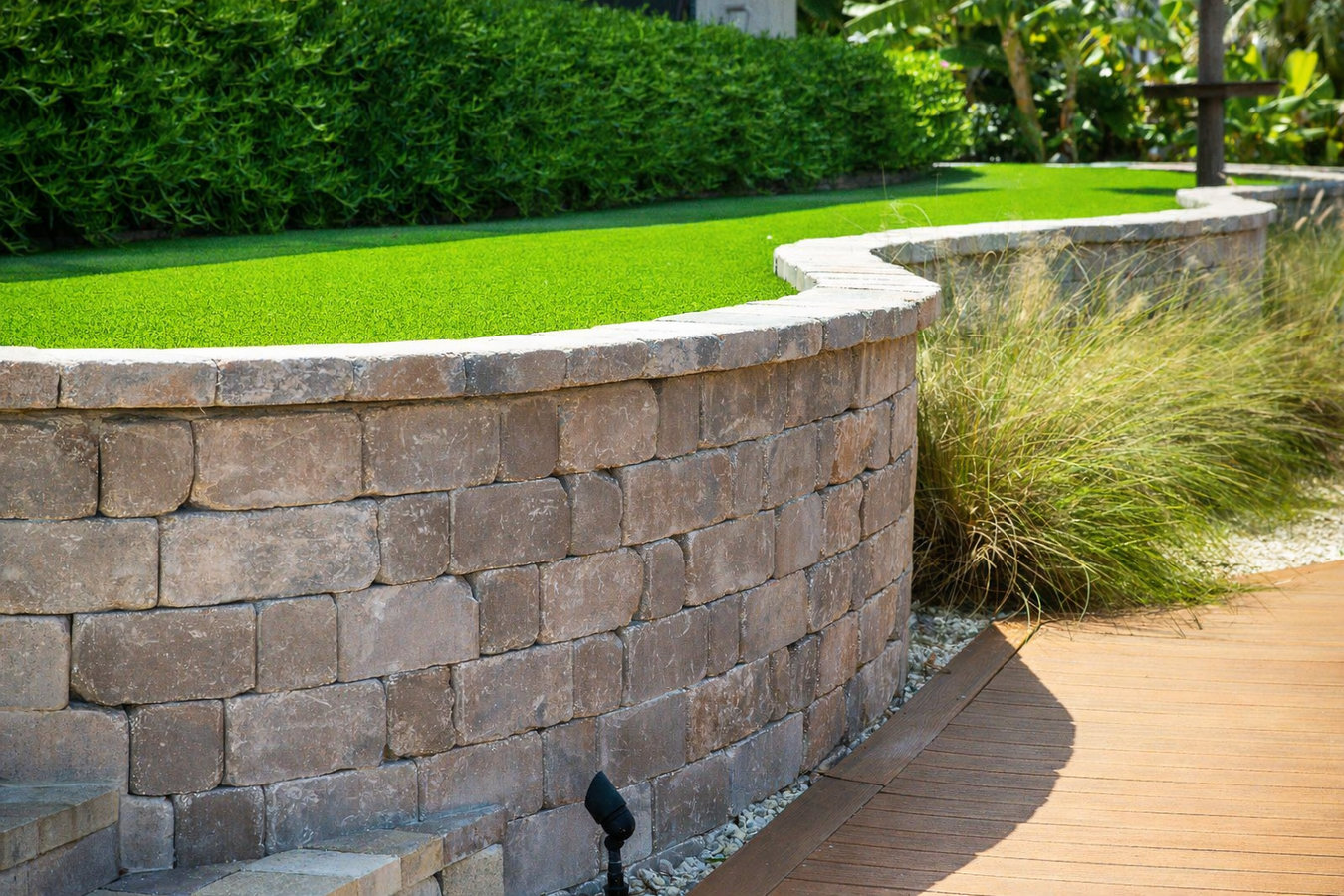
Fremont's hillside neighborhoods - Mission San Jose, the eastern edges near Niles Canyon, and hillside pockets near Ardenwood - have sloped lots where soil management is a practical necessity, not just a landscaping choice. Clay-heavy soil and seismic activity mean footings and drainage design matter as much as the wall itself. Learn more about how we approach retaining wall construction and what a properly engineered project involves from assessment to completion.
Most Fremont homes were built between the 1950s and 1980s, before California's current seismic standards required deeper footings and anchored cripple walls. Fremont's position directly on the Hayward Fault means those older foundations face real seismic stress over time. Sticking doors, diagonal cracks at window corners, and visible separation at stucco lines are common early signs that the foundation has shifted.
Block walls on Fremont properties need steel reinforcement inside the cores to meet the city's seismic requirements - a standard that was not always followed on older tract homes built in the 1960s and 1970s. Whether you need a new boundary wall or a replacement for one that has started to lean or separate, the block cores and footings need to be sized for Fremont's seismic zone.
Fremont's clay soil expands every winter and contracts each summer, and that movement is what cracks concrete driveways across the city's ranch-home neighborhoods. Paver driveways tolerate that seasonal movement better than poured slabs because individual units can flex slightly without fracturing across the whole surface - a real advantage on Fremont's moving ground.
Ranch homes and craftsman bungalows throughout Fremont - especially in Niles and older Centerville and Irvington tracts - often have original brick chimneys and decorative brick planters that predate current seismic standards. Mortar from the 1950s and 1960s is past its typical lifespan, and cumulative seismic movement across the Hayward Fault zone has widened joints that would otherwise be minor.
Fremont's rainy season runs from November through March, and open mortar joints on chimneys and brick walls absorb that moisture every year. Once water gets into failing joints, each dry summer pulls the mortar further apart. Tuckpointing before the rains arrive - removing the deteriorated material and packing fresh mortar correctly - stops that cycle before it spreads to the surrounding brick.
Fremont was incorporated in 1956 by merging five smaller towns, and the city built out rapidly through the 1960s and 1970s to house Silicon Valley's growing workforce. That history means most of the city's single-family housing stock is now 40 to 65 years old. Original masonry from that era - brick chimneys, concrete block garden walls, poured concrete driveways - was built to the standards of its time, which predated California's current seismic codes. Steel reinforcement inside block cores and properly engineered wall footings were not standard practice on most tract homes of that period. As a result, many masonry structures in Fremont's established neighborhoods are reaching the end of their useful life at roughly the same time, and deferring repairs typically makes the eventual job larger and more expensive.
The ground beneath Fremont compounds these age-related issues in two ways. Much of the city sits on expansive clay that swells during the winter rainy season and contracts through the dry summer, putting constant pressure on concrete slabs, footings, and any masonry anchored to the ground. And Fremont runs directly along the Hayward Fault, one of the most seismically active faults in California. A masonry contractor working in Fremont needs to account for both conditions - seasonal soil movement and seismic loading - when scoping any new construction or repair. Treating Fremont the same as a lower-risk area leads to work that fails ahead of schedule.
For permitted masonry projects in Fremont, we work through the City of Fremont Building and Safety Division, which handles structural permits for retaining walls, foundation work, and concrete block walls within city limits. The city's seismic safety requirements add a step that some homeowners do not expect - wall designs that include reinforcement inside block cores may require engineering review before the permit is issued, and that adds lead time to the project schedule.
Working across Fremont means we see the full range of the city's housing. The ranch-style homes in Irvington, Centerville, and the neighborhoods off Mowry Avenue represent the bulk of the postwar building stock - modest lots, original concrete flatwork, and brick elements that have never been touched since the original build. The hillside properties in Mission San Jose are a different category: larger two-story homes on sloped lots near the hills, where retaining walls and drainage are part of the routine work. And the Niles district, near Niles Canyon Road, has craftsman and Victorian-era homes dating back to the early 1900s that require a more careful approach to foundation and masonry work than postwar construction.
We serve homeowners in neighboring Hayward, which sits directly north of Fremont along Interstate 880 and shares the same Hayward Fault risk and clay-soil conditions. We also work in Milpitas, just south across the Santa Clara County line, where a comparable stock of 1960s and 1970s ranch homes faces the same bay mud and clay challenges.
Reach out by phone or through our contact form. We respond to all requests within 1 business day and ask a few questions about your project so we can plan the site visit efficiently. You do not need to have all the answers ready.
We visit your Fremont property to evaluate the site - soil conditions, drainage, access, and any seismic factors relevant to your project. You receive a written estimate that breaks down labor, materials, and any permit costs before any work is scheduled. No pressure, no obligation.
For structural work that requires a City of Fremont permit, we handle the application on your behalf. Permit lead times vary by project scope - typically a few days to a few weeks - and we schedule the start date around that timeline so there are no gaps once the crew arrives.
The crew works through the agreed scope and cleans the site at the end of each day. When the project is finished, we do a final walkthrough with you so you can see the completed work and ask any questions before we leave.
We serve all of Fremont - from ranch homes in Irvington and Centerville to hillside properties in Mission San Jose. Free estimates, prompt replies, and work built for East Bay soil and seismic conditions.
(669) 215-2946Fremont was formed in 1956 by merging five smaller communities - Centerville, Niles, Irvington, Mission San Jose, and Warm Springs - into one city. Each of those original towns still has its own character and its own housing stock. Niles, at the mouth of Niles Canyon, has craftsman bungalows and Victorian-era homes dating back to the early 1900s. Mission San Jose, up near the Diablo Range foothills, has larger two-story homes on hillside lots built mostly in the 1980s through 2000s. The Warm Springs area, on the southern edge of the city near the BART station and the Tesla factory, has a mix of older ranch homes and newer residential development. Central and western Fremont - the Irvington and Centerville neighborhoods - are where most of the postwar ranch homes are concentrated, typically on modest 5,000- to 8,000-square-foot lots with original concrete driveways and brick chimneys.
With about 230,000 residents, Fremont is one of the largest cities in the Bay Area and has a homeownership rate of roughly 60 percent. The city's most central public landmark is Lake Elizabeth in Central Park, a gathering point for residents across all six neighborhoods. We serve homeowners throughout Fremont and also work regularly in neighboring Oakland, which shares the East Bay's older building stock and fault-zone masonry challenges.
Structural foundation repairs to protect your home from settling, cracking, and water damage.
Learn moreExpert chimney repair to restore safety, function, and appearance to your masonry chimney.
Learn morePrecision mortar joint restoration that extends the life of brick and stone masonry.
Learn moreReplacement and repair of damaged, spalled, or deteriorating bricks on any surface.
Learn moreCustom driveway paver installation for a durable, attractive, and long-lasting surface.
Learn moreStructurally sound retaining walls built to manage slopes and prevent soil erosion.
Learn moreFull restoration of aged or weathered masonry to its original strength and appearance.
Learn moreNew fireplace construction and surround installations using brick, stone, or block.
Learn moreNatural and manufactured stone veneer applied to interior and exterior surfaces.
Learn moreLoad-bearing and decorative concrete block wall construction for residential projects.
Learn moreBlock wall foundation systems built for stability, drainage, and long-term performance.
Learn moreCustom outdoor kitchen masonry with built-in grills, counters, and durable finishes.
Learn moreWalkway and pathway construction using pavers, brick, or natural stone.
Learn moreNew brick wall construction for property boundaries, garden walls, and accent features.
Learn moreMortar repointing service to seal open joints and restore structural integrity to brick.
Learn moreContact SV Sunnyvale Masonry today for a free on-site estimate. We work throughout Fremont and respond within 1 business day.