Loading...
Serving Sunnyvale, CA and surrounding areas. (669) 215-2946
Crumbling mortar and spalled brick make your home look older than it is - and let water in where it does real damage. We fix it right the first time.
Masonry restoration in Sunnyvale repairs, cleans, and stabilizes brick, stone, or concrete block structures so they hold up and look good - most jobs take one to five days depending on the size of the affected area.
If your home is one of the many in Sunnyvale built between the 1950s and 1970s, the mortar holding your brickwork together is now 50 to 70 years old. That mortar was mixed differently than modern formulations, and it wears out. When it does, rain gets in during the wet season and seismic movement does the rest. The good news is that masonry restoration stops the damage without tearing anything down. If you also have damaged joints on a chimney or garden wall, our tuckpointing work addresses exactly that.
The key to a lasting repair is matching the new mortar to the original material. The wrong mortar mix can actually cause the brick faces to crack and flake over time, turning a small problem into a big one. We assess the existing material first, match it, and then get to work.
Most of these signs are visible from the sidewalk or backyard.
If you see white, powdery deposits on your masonry after Sunnyvale winters, it means moisture is moving through the wall and carrying dissolved salts to the surface. Water is getting in somewhere - usually through cracked or worn mortar joints. Left alone, this gradually weakens the wall from the inside.
Run your finger along the joints between bricks or stones. If the mortar feels soft, sandy, or comes away easily, it has lost its ability to keep water out. This is especially common in Sunnyvale homes from the 1950s and 1960s, where the original mortar is now 60 to 70 years old.
The Bay Area experiences frequent small earthquakes, and even minor ground movement can open cracks in masonry that were previously stable. If you notice new cracks - or old ones that seem wider - after any seismic activity, have a contractor evaluate them before the next rainy season arrives.
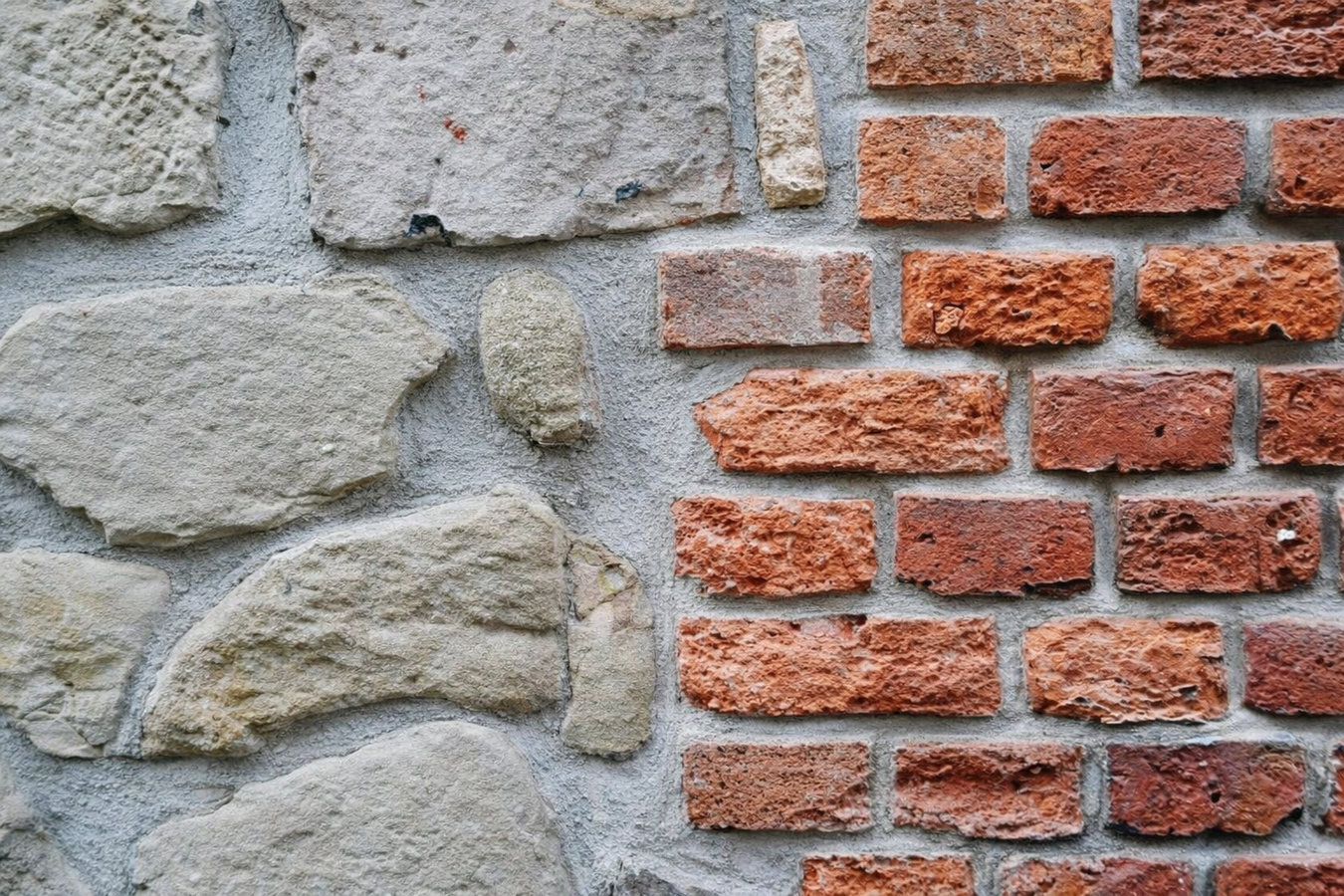
Spalling is when the face of a brick breaks away, leaving a rough, pitted surface. Once the protective outer layer is gone, the material underneath absorbs water much more readily and deteriorates faster. Affected bricks look noticeably different from the ones around them - visible clearly from the street.
The most common restoration job we do is repointing - removing old, crumbling mortar and packing in fresh material to seal the joints. When mortar wears out, water gets in and the whole structure weakens. We also handle full stone masonry repairs, where individual stones or sections have shifted or broken down and need to be reset or replaced. Both types of work require careful attention to material matching, which is where a lot of contractors cut corners.
Beyond repointing and stone work, we handle spall repair - replacing brick or stone faces that have broken away - and fireplace installation and rebuilding when an existing firebox or chimney structure has deteriorated to the point where patching is no longer the right answer. We also do cleaning and surface preparation as part of any restoration project, since good mortar adhesion depends on a clean, solid base.
Best for walls or chimneys with worn, crumbling, or missing joints that still have structurally sound brick or stone.
Suited to homes where brick or stone faces have broken away, creating rough patches that absorb moisture and worsen over time.
Right for cracks that have opened from seismic movement or settlement and need stabilization before they affect structural integrity.
For chimneys showing cracks, gaps at the crown, tilting, or mortar wear from years of heat, rain, and seismic stress.
Ideal as a first step before repairs, or for walls with efflorescence staining, biological growth, or surface soiling that obscures the true condition.
For areas where damage has progressed too far for patching - the right choice when a section of wall or chimney needs to come down and be rebuilt correctly.
Sunnyvale sits in the heart of the Bay Area, which means every masonry structure here has lived through years of seismic movement. Repeated tremors - even small ones you barely feel - gradually loosen mortar joints and can shift brick or stone out of alignment. This is not the kind of wear you see from weather alone. It is the result of the ground itself working on your home season after season. We work regularly in nearby Santa Clara and San Jose, and the pattern is the same across all three cities: older homes, older mortar, and a climate that makes both problems worse.
Sunnyvale's winters are mild, but the rainy season from November through March delivers steady moisture into any gap in your masonry. Unlike colder climates where freeze-thaw cycles do the obvious damage, here it is the slow, persistent saturation that breaks mortar down over time. Spring is when homeowners notice it - white staining on north-facing walls, soft joints, and patches where the brick face has started to flake. The best time to act is before the next rainy season, not after. According to the National Park Service Preservation Briefs, matching mortar composition to the original material is one of the most critical factors in a lasting restoration - something we take seriously on every job.
Tell us what you are seeing - where the damage is and how long it has been there. We respond within one business day and schedule an on-site visit, because masonry problems are hard to assess accurately from photos alone.
We walk the affected area, probe the mortar joints, and check for signs of water damage or structural movement. The visit takes 30 to 60 minutes, and we explain what we find in plain terms - no jargon, no pressure to decide on the spot.
You receive a written estimate covering scope, materials, and total cost. If your project requires a permit from Sunnyvale Building Division, we tell you at this stage and explain how it affects the timeline - no surprises later.
The crew removes damaged mortar, preps the joints, and packs in matched new material. Fresh mortar needs 24 to 48 hours before it can get wet. Before we leave, we walk you through what was done and what to watch for in the first few weeks.
Free on-site estimate, written quote, no obligation. We reply within one business day.
(669) 215-2946We analyze the existing mortar before ordering materials, so the new mix matches both the composition and the color of what is already there. Mortar that is too hard for the surrounding brick traps moisture and causes the brick faces to crack - a mistake that turns a repair into a bigger problem.
California requires a C-29 masonry contractor license for any job over $500 in labor and materials. You can verify any contractor on the CSLB website in about 30 seconds. We carry full general liability and workers' compensation coverage - ask for certificates before any work begins.
Sunnyvale has more than a thousand homes built between 1950 and 1975, and we have worked on many of them. Mortar from that era is different from modern formulations - knowing how to read and match it is a skill that only comes from doing this work locally for years.
You get a written estimate that describes the scope, the materials, and the total cost before we start. If a permit is needed, we explain that upfront and handle the application. When the work is done, we walk you through what was completed so you can see exactly what you paid for.
From Bay Area seismic stress to rainy-season moisture, the conditions in Sunnyvale create specific demands on masonry. We know these conditions and plan every job around them - that is the difference between a repair that lasts 25 years and one that needs attention again in five.
Build a new masonry fireplace or rebuild an aging firebox that has deteriorated beyond what patching can fix.
Learn moreCustom stonework and stone structure repairs for homes where natural stone is the primary facing material.
Learn moreRainy season does not wait - get your mortar joints sealed and your brickwork assessed before the next storm rolls in.